
How to Start Sound Healing in India: The Ultimate Beginner’s Guide
How to Start Sound Healing In India our fast-paced, high-stress world, the search for holistic wellness has led millions back to ancient practices. While Yoga and Meditation have long been global staples of self-care, a powerful sister science has quietly taken center stage: Sound Healing.
Also known as Nada Yoga (the yoga of sacred sound), Sound Healing uses vibrational frequencies to restore harmony to the body, mind, and spirit.
How to Start Sound Healing In India If you are looking to embark on this transformative journey, India—the birthland of sound science and Vedic philosophy—is the absolute best place to start. In this comprehensive guide, we will explore how you can start your Sound Healing journey, why it perfectly complements your Yoga practice, and how to choose the right path for your spiritual and professional growth.
What is Sound Healing?
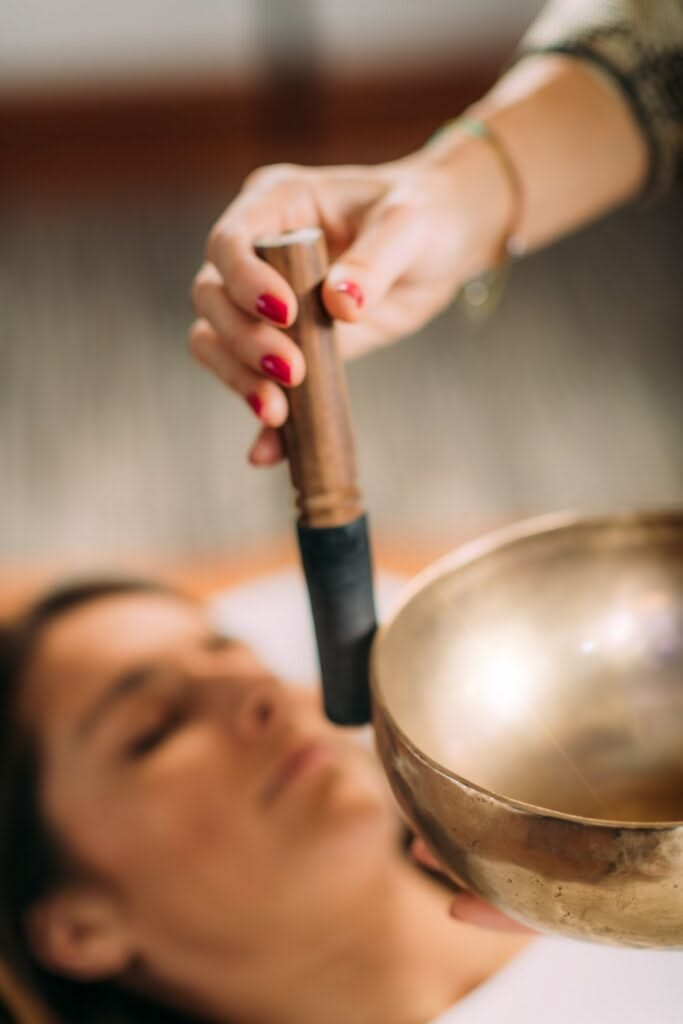
At its core, How to Start Sound Healing In India is an ancient therapeutic practice that utilizes specific tonal frequencies to bring the body’s cellular structure back into a state of natural resonance.
According to quantum physics, everything in the universe is in a constant state of vibration. When we experience physical illness, emotional trauma, or mental stress, our natural vibrational frequency becomes disharmonized or “out of tune.”
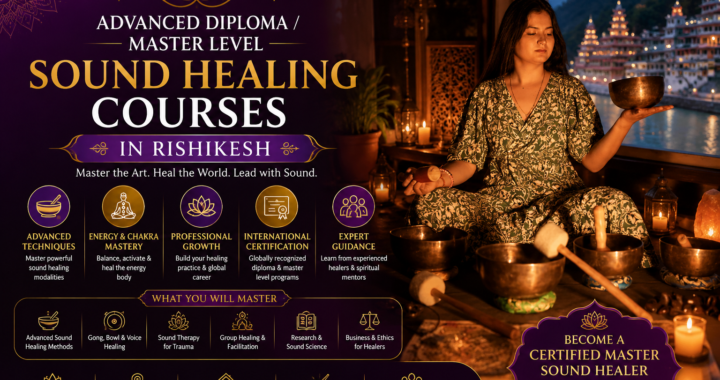
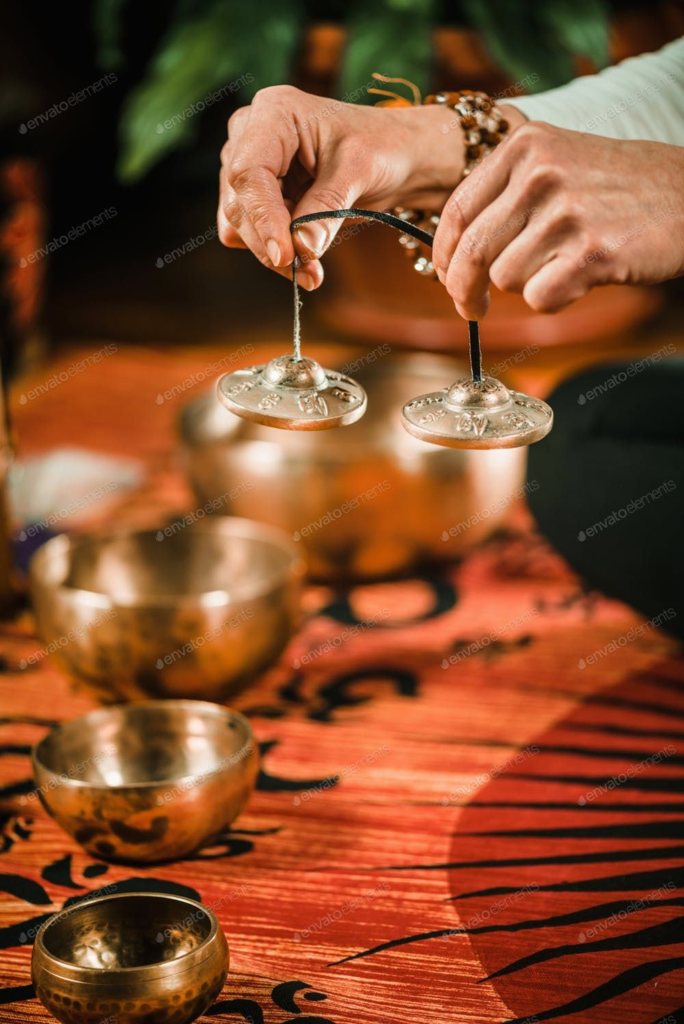
During a Sound Healing Session, a practitioner uses sacred instruments like Tibetan singing bowls, crystal bowls, gongs, tuning forks, and Vedic chanting to bathe the listener in soothing sound waves. These frequencies interact directly with your brain waves, gently shifting your mind from the active Beta state into the deeply relaxed Alpha and Theta states—the exact states where deep physiological and emotional healing occurs.
Why India is the Ultimate Destination for Sound Healing
While Sound Therapy is gaining immense popularity in the West, studying this modality in India offers an unparalleled, authentic experience.
1. Rooted in the Ancient Philosophy of Nada Yoga
In India, Sound is not just treated as a physical phenomenon but as a spiritual force. The ancient Vedas declare, “Nada Brahma”—the universe is sound. By learning sound healing in India, you are not just learning how to strike a bowl; you are immersing yourself in thousands of years of sacred sound theory, mantra chanting, and energetic anatomy.
2. Amplified Energetic Environment
Practicing Sound Healing in spiritually vibrant locations like Rishikesh—nestled in the foothills of the Himalayas along the sacred River Ganga—amplifies the therapeutic effects. Water is a highly sensitive conductor of sound. The natural flow of the Ganges combined with the pure Himalayan air creates a pristine acoustic and energetic environment that deepens your Meditation.
3. A Holistic Way of Living
When you study in India, your learning is supported by a Sattvic (pure, vegetarian) lifestyle. Eating nourishing, clean food and living in a yogic environment keeps your physical body clear, making you highly sensitive and receptive to the subtle shifts in sound frequencies.
Step-by-Step: How to Start Your Sound Healing Journey in India
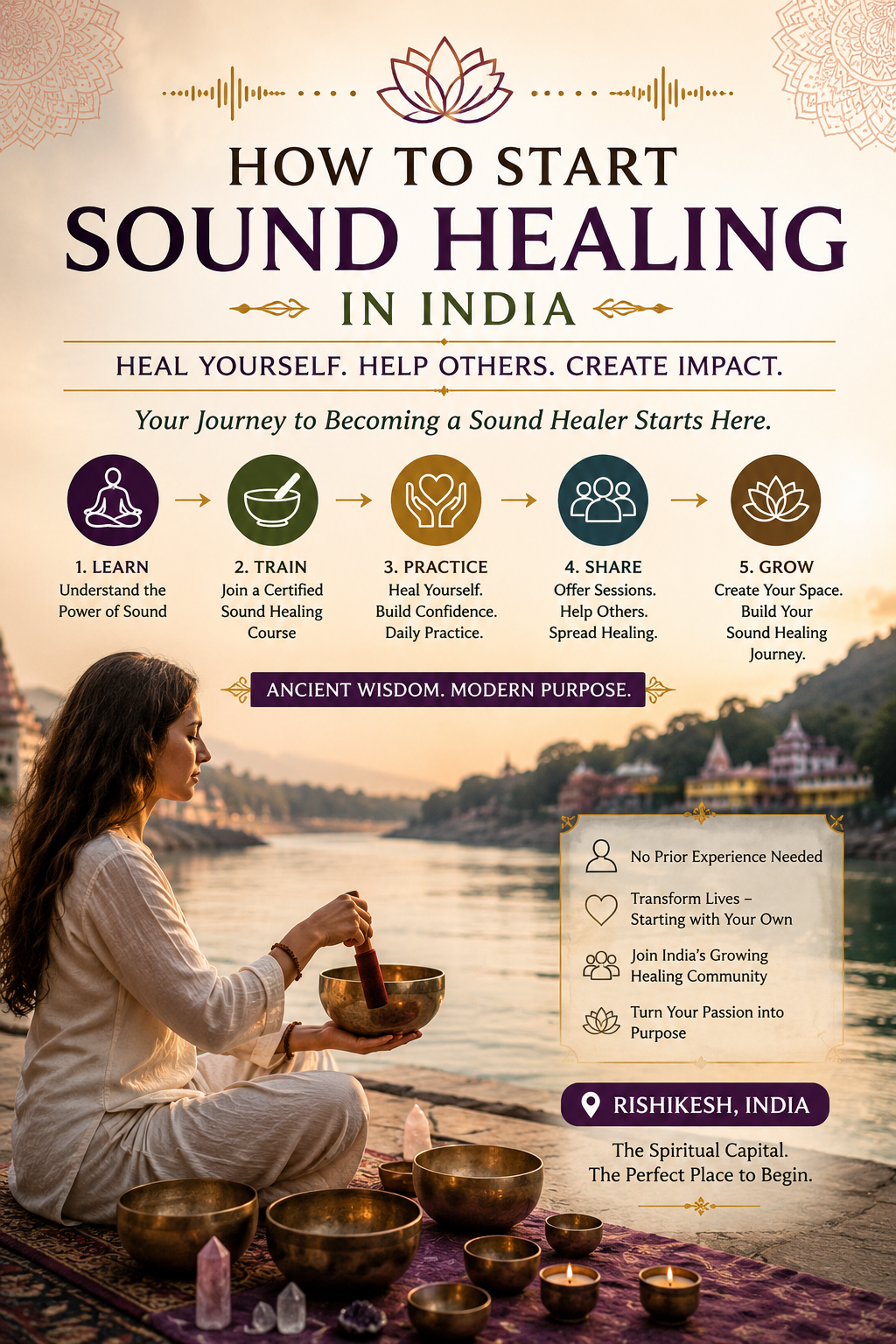
Starting your path in Sound Healing is a beautiful process of self-discovery. Here is how you can systematically build your practice from a beginner to a confident practitioner:
Step 1: Cultivate Personal Resonance
Before you can heal others with sound, you must first experience its therapeutic power within yourself.
- Begin by attending group sound baths or private therapy sessions.
- Notice how different frequencies feel in your physical body.
- Practice mindful listening, allowing your brain to fully lock onto the overtones of the instruments.
Step 2: Understand the Core Instruments
To begin practicing, you will need to familiarize yourself with the primary tools of the trade:
- Tibetan Singing Bowls: Crafted from a blend of metals, these bowls produce rich, grounding overtones that are excellent for chakra balancing and body massage.
- Crystal Singing Bowls: Made of pure quartz, these bowls emit high-frequency, clear tones that resonate deeply with the higher chakras and the subtle energy body.
- The Gong: A powerful instrument capable of producing a vast wall of sound, ideal for releasing deep-seated subconscious blockages.
- Your Own Voice: Mantra chanting and vocal toning are among the oldest and most direct forms of sound healing.
Step 3: Learn the Science of the Subtle Body
Sound Healing works hand-in-hand with the energetic systems of the body. To practice effectively, you must study:
- The 7 Chakras: Understanding which frequencies and notes (such as C, D, E, F, G, A, B) align with each of the body’s primary energy centers.
- The Nadis: The energetic channels through which life force (prana) flows.
- Brainwave Entrainment: How external sound frequencies coax the brain into states of deep relaxation, meditation, and sleep.
Step 4: Enroll in a Certified Sound Healing Course
While self-study is a great starting point, a formal training program is crucial if you wish to facilitate sessions safely and professionally. Look for courses in India that offer hands-on practice, small group sizes, and curriculum guidance on:
- Correct striking and singing techniques for bowls.
- How to structure a one-on-one private therapeutic session.
- How to design and facilitate a group sound bath.
- The ethics, energy protection, and responsibility of being a space-holder.
The Perfect Synergy: Combining Yoga and Sound Healing
If you are already a Yoga practitioner or a Certified Yoga Teacher, integrating Sound Healing into your lifestyle is a natural evolutionary step.
                       ┌─────────────────────────┐
                       │  PRANAYAMA & ASANA      │
                       │  Prepares physical body │
                       └────────────┬────────────┘
                                    │
                                    ▼
                       ┌─────────────────────────┐
                       │  SACRED SOUND & NADA    │
                       │  Quiets the mental wave │
                       └────────────┬────────────┘
                                    │
                                    ▼
                       ┌─────────────────────────┐
                       │  DEEP MEDITATIVE STATE  │
                       │  Achieves true Samadhi  │
                       └─────────────────────────┘
At Sanskar Yogashala, we believe that Yoga and sound are two sides of the same coin. During a traditional 200-Hour Yoga Teacher Training, students learn the structural alignment of the physical body through Hatha and Ashtanga. Adding sound healing to this foundation allows you to target the emotional and energetic layers of your students.
Elevating Savasana and Yin Yoga
How to Start Sound Healing In India Imagine guiding your students through a heart-opening Yin Yoga sequence and concluding the class by playing a beautifully tuned heart chakra singing bowl during Savasana (corpse pose). The sound waves instantly melt away physical tension, helping your students drop into a state of peace that ordinary silence cannot always provide.
By combining the physical discipline of Yoga with the vibrational medicine of sound, you offer a truly holistic healing experience.
What to Look for in a Sound Healing Training School in India
To ensure you receive an authentic and high-quality education, keep these key factors in mind when choosing a school:
- Experienced Gurus: Ensure your teachers have deep roots in both the scientific and spiritual aspects of sound.
- Hands-On Experience: Sound healing is a tactile, auditory art. Avoid courses that are purely theoretical; you need ample time to play the instruments yourself.
- Comprehensive Syllabus: A great course should cover the history of sound, the physics of frequency, chakra diagnostics, and practical training on how to handle clients.
- Serene Environment: Choose a location that allows you to unplug from daily distractions and absorb the high-vibrational teachings in peace.
Start Your Spiritual Journey Today
Starting your How to Start Sound Healing In India is a profound step toward self-mastery and a beautiful way to serve others. Whether you wish to deepen your personal Meditation, add a unique layer to your Yoga classes, or embark on a completely new career as a certified sound therapist, the ancient land of India offers the perfect sanctuary to find your unique resonance.
Are you ready to let the healing vibrations transform your life? The path of How to Start Sound Healing In India is calling.