

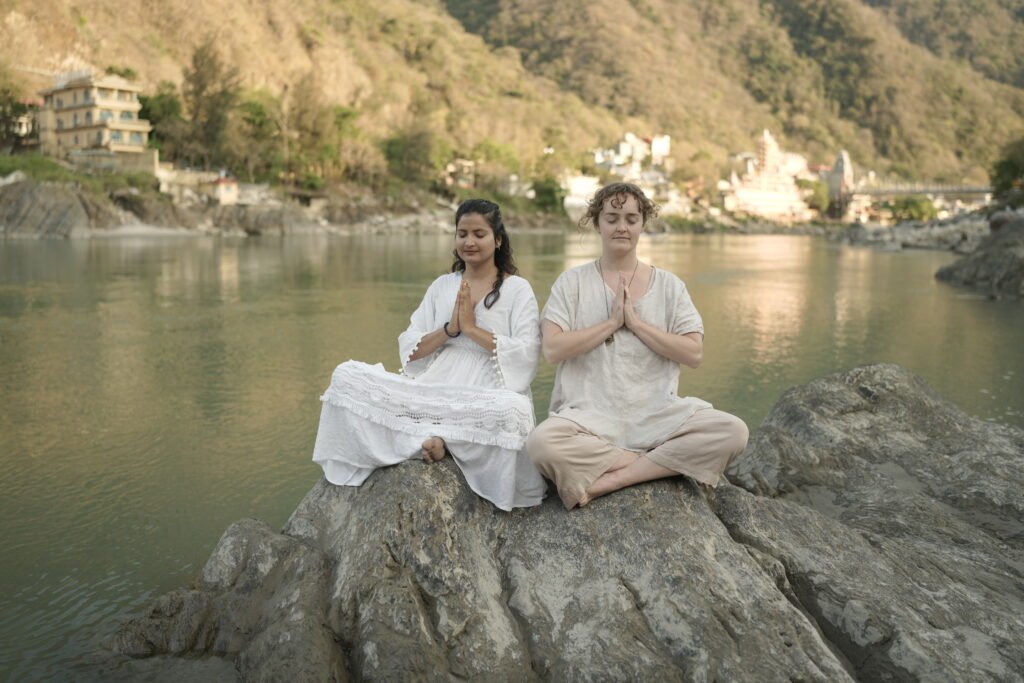
I didn’t really understand sound healing the first time I heard about it.
It sounded… interesting, maybe even a little strange.
But being in Rishikesh, you start noticing things. The silence feels different here. The Sound of the Ganga, the bells from temples, people sitting quietly with singing bowls — it slowly pulls your attention.
And somehow, without planning too much, many people end up sitting in their first Sound Healing class right here.
If you’re a beginner and you’re thinking about trying it, this might help you understand what to expect — without all the complicated explanations.
So what actually happens in a sound healing class?
It’s much simpler than people think.
You sit or lie down.
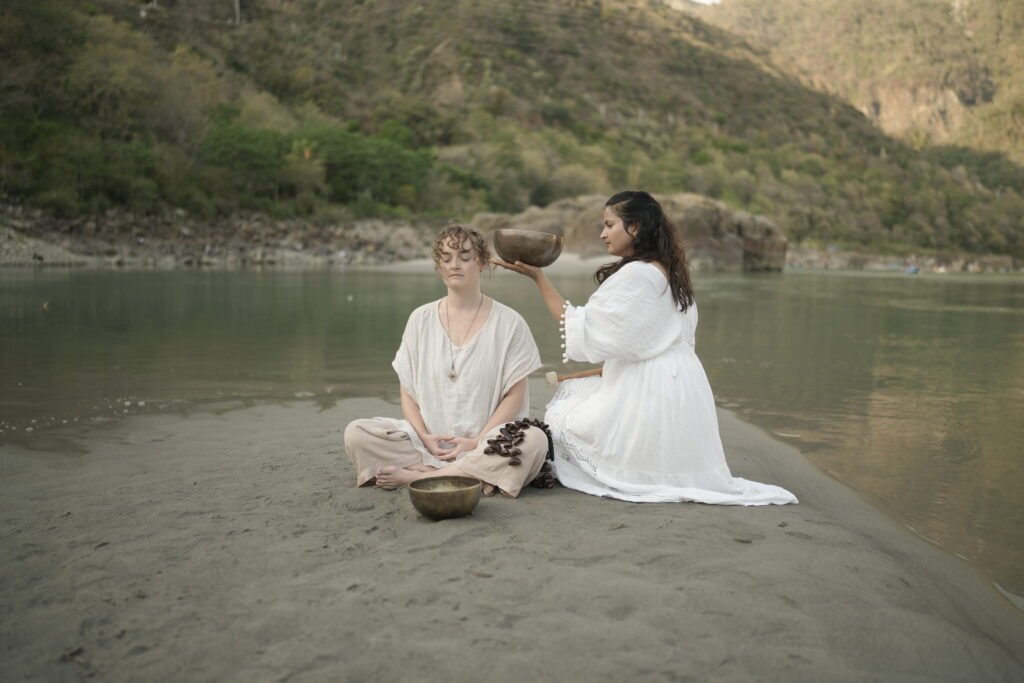
There are instruments — mostly Tibetan singing bowls.
And then… sound.
Not loud, not disturbing — just soft vibrations that you can feel more than hear sometimes.
At first, your mind is busy. Thoughts come and go.
But after a few minutes, something shifts. Your breathing slows down. Your body starts to relax on its own.
You’re not trying to “do” anything. That’s the part most beginners find surprising.
Why Rishikesh feels different for this
You could probably learn sound healing anywhere.
But Rishikesh has something that’s hard to explain properly.
Maybe it’s the slower pace. Maybe it’s the environment. Or maybe it’s just that people come here already looking for something deeper.
Whatever it is, learning here feels less like a course and more like an experience.
You’re not just understanding sound — you’re actually feeling it.
Starting as a complete beginner
Most people who join these classes have no background at all.
No music knowledge.
No healing experience.
Sometimes not even meditation.
And that’s completely fine.
A good beginner course doesn’t overwhelm you. It starts small:
- how to hold and play the bowl
- how different sounds feel
- basic understanding of energy (nothing too technical)
- and slowly, how to give a simple session
You learn by doing, not by memorizing.
A place thatOne thing that really matters — and people don’t realize this until later — is the environment you learn in.
Some places feel rushed. Some feel too commercial.
And then there are places where things are just… simple.
Satman Sound Healing is one of those spaces.
It doesn’t feel like a big institute. It feels more personal, more grounded.
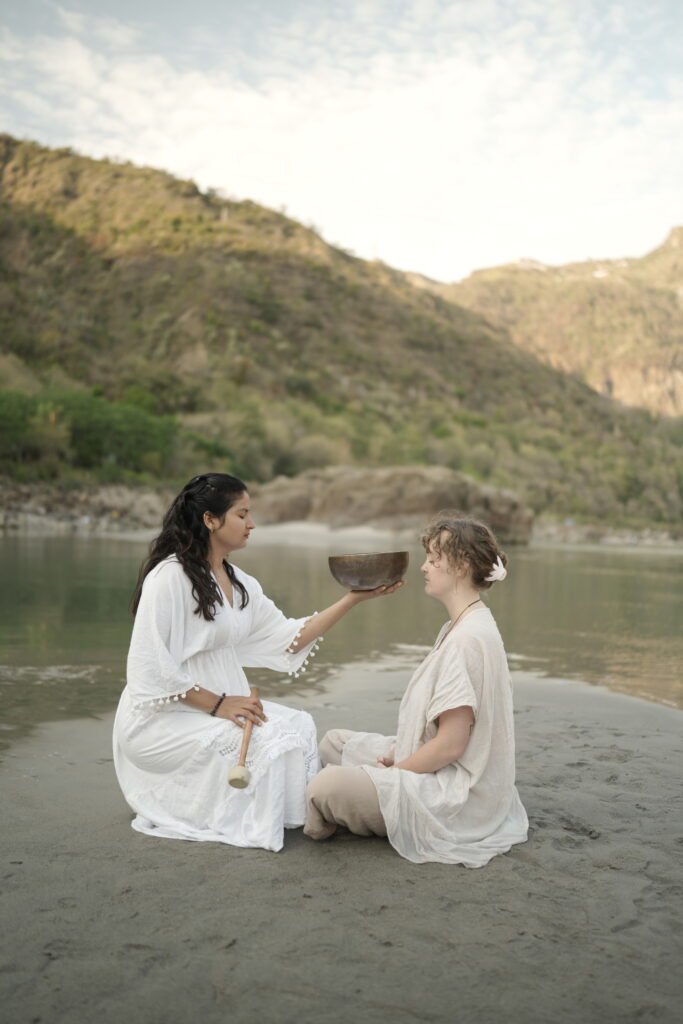
Their 3-day beginner course is usually where many people start. It’s short, not overwhelming, and gives you enough time to actually understand what you’re doing.
You spend time with the bowls, you experience the sessions yourself, and gradually you learn how to work with sound in a very natural way.
No pressure. No need to “perform”.
Is it really for you?
This is something only you can feel.
But usually, people who are drawn to this are:
- feeling mentally tired or overwhelmed
- curious about meditation but unable to sit still
- looking for something meaningful, not just another course
- wanting to help others in a simple way
You don’t need to “believe” in anything.
What people don’t tell you
Sound healing is not about becoming a healer overnight.
It’s more subtle than that.
Sometimes, the biggest change is just this —
you feel a little calmer than before.
Your mind is not as noisy.
Your sleep improves.
You start noticing your own patterns.
And that’s how it begins.
Final thought
If you’re in Rishikesh and this has even crossed your mind once — just try a beginner class.
Not with too many expectations.
Not trying to figure everything out.
Just sit, listen, and see how it feels.
That’s really the best way to understand sound healing.
feels easy to begin

Hi, this is a comment.
To get started with moderating, editing, and deleting comments, please visit the Comments screen in the dashboard.
Commenter avatars come from Gravatar.